
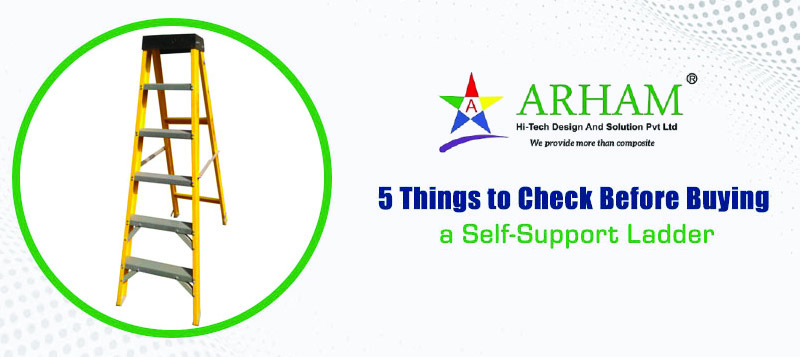
From homes and offices to construction sites and shops, ladders are part of everyday work and life. They’ve been used for centuries and are still one of the easiest ways to reach higher places safely. Whether you’re a professional or a homeowner, a ladder can be a real help.
A self-support ladder is a great option for most situations because it can stand on its own. It’s useful for decorating, cleaning, fixing things and restocking shelves. It’s lightweight, doesn’t take up much space, and is easy to move around.
If you’re thinking of getting one, here are a few things worth checking before you decide.
Things to Keep in Mind Before Buying a Ladder
- Pick the Right Style
There are many types of ladders out there, and the first thing to do is figure out which one fits your work. Ladders are meant to help you reach high places safely, but choosing the wrong type can lead to slips or injury.
Most people know about the standard step ladder or extension ladder, but there are plenty more. You’ll also find options like platform ladders, telescopic ones, twin steps and even tripod ladders. Each type is made to suit a specific kind of task.
Think about how you’ll be using it before making a choice. Look at the full range of options and decide what suits your space, height needs and how often you’ll use it. The right step ladder can make everyday tasks easier and safer.
- Choose the Right Height
One of the first things to check is how tall the ladder needs to be. One of the key things to consider is how tall the ladder needs to be for your tasks. If it’s too tall for the space, it becomes hard to handle.
Ladders usually range from about 2 to 22 feet, and this is measured from the first step to the last one off the ground. Going for a slightly longer ladder is often the better choice, as it gives more flexibility and helps you stay safe while working.
As a general rule, your ladder should be 7 to 10 feet taller than the highest spot you need to reach, like a roof edge or the top of a wall. A longer ladder gives you:
- Enough space to set it up properly
- Good overlap between sections if it’s extendable
- A safe standing zone without needing to step on the very top
Choosing the right height means you can work comfortably and reduce the risk of accidents.
- Pick the Right Material
Ladders now come in materials like steel, wood, plastic and fibreglass. Each one suits different jobs. If you’re working near wires, fibreglass is safer. Steel is strong but heavy. Wood looks nice, but doesn’t do well in wet areas.
Think about where you’ll use it, and if it needs to handle weather, chemicals or electricity. The right material helps your ladder last longer and keeps you safe.
You may like: How Scaffolding Ladders Contribute to Construction Efficiency: Expert Advice
- Check the Weight Capacity
Ladders are made to hold a set amount of weight, so it’s important to pick one that suits your needs. Going over the limit can make it unsafe to use.
Most ladders come with a duty rating, which tells you the maximum safe load, including your weight and any tools you’re carrying. Some even have tool trays at the top for added convenience.
Ladders for building sites often have a higher capacity than those made for light use at home. Always check the rating and choose one that matches the job.
- Look for Strength and Durability
Climbing a ladder always comes with some risk, so it’s important that it feels solid and stable. A strong, durable ladder is a smart, long-term choice. There are many options available that come with extra safety features like non-slip grips to help reduce the chances of falling.
- Think about Portability
A good ladder should be easy to move. If you need to carry it around often, look for something lighter or collapsible. Some ladders fold down small for easy storage. Heavier ones may be sturdier but harder to shift, so choose based on your needs.
- Set a Budget That Works for You
Ladders come in a wide range of prices, from affordable to premium. If you’re on a tight budget, shortlist a few within your range and read user reviews to compare. A good ladder usually comes with a decent warranty, too, which says a lot about its quality.
Conclusion
A self-support ladder is a crucial tool for climbing or working in tight spaces, so it’s worth taking the time to choose the right one. By considering your needs, you’ll be able to make a better decision.
For quality, fair pricing and a range of reliable models, have a look at the collection at Arham Composite. You’ll find great options along with helpful service to guide your choice.
Frequently Asked Questions
- What should I check before buying a self-support ladder?
Make sure the ladder is suitable for the type of work you’ll be doing. Check its height, weight limit, material and whether it’s easy to move. A strong, stable ladder with the right safety features will last longer and keep you safe.
- Why choose a self-support ladder for home or work?
A self-support ladder is practical because it stands on its own. It’s great for everyday tasks like cleaning, fixing or reaching shelves, and it’s lightweight enough to move around easily in both home and work settings.
