
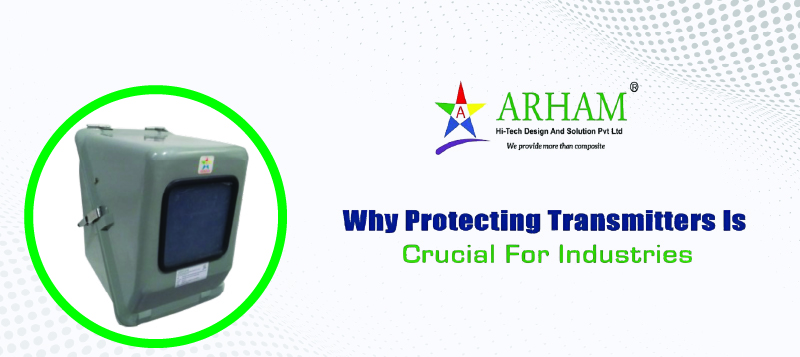
Most of the time, transmitters go unnoticed, but they’re key to how things run in industrial setups. Whether it’s on a line or in a treatment system, they help keep order.
They collect vital readings like pressure or temperature and turn them into useful data. This helps engineers and technicians make better decisions on the ground. They’re easy to overlook when they work properly, but when housed in durable FRP-GRP enclosures, these transmitters stay protected from harsh weather, impacts, and corrosion.
What is a Transmitter?
A transmitter is an electronic tool used in industries to turn real-world signals into something machines can read. Take a pressure transmitter, for instance. It picks up readings from a sensor and turns them into signals your system can understand and act on.
There are different types of transmitters depending on what you need to measure:
- Pressure transmitters check how much pressure is building up inside pipes or tanks carrying gas or liquid.
- Temperature transmitters detect heat through built-in sensors.
- Flow transmitters keep track of how quickly fluids or gases move through a system.
- Level transmitters tell you how full a tank is.
Together, they help everything stay in order and work the way it should.
The Dangers of Leaving Them Unprotected
Just because transmitters are sturdy doesn’t mean they’re safe on their own. Tough surroundings can wear them out. Without the right cover, it only takes one failure to throw the entire system off track.
Here are some things that commonly damage transmitters:
- Moisture or humidity can sneak in and cause short circuits.
- Extreme temperatures can stop them from working properly.
- Chemical fumes might wear out the parts.
- Vibrations or impact can cause components to loosen or fail.
- Electrical interference can mess with the readings.
When transmitters go wrong, the system doesn’t get the right information. That could lead to poor decisions, wasted materials, lower production, or even accidents.
You Might Like: Everything You Must Know About Pole-Mounted Junction Boxes
Why It’s So Important to Protect Them
In any job where precision matters, looking after transmitters isn’t just a tidy-up job. It cuts down delays, keeps everyone safe, and helps save a fair bit over time.
Here’s why:
- A single inaccurate reading can lead to serious issues. Poor data from a transmitter can affect how safe your setup is and how much it costs to run.
- Downtime is expensive. When a transmitter fails, everything else can grind to a halt. The more time it takes to fix, the more it’ll cost you.
- Safety depends on good equipment. In places like oil or gas plants, missing a signal from a pressure transmitter could put people at risk.
- You need to stay compliant. If poor data leads to pollution or safety breaches, it could land you in trouble with regulators.
- Transmitters aren’t exactly easy on the budget. Keeping them safe means you won’t have to replace them too soon, and they’ll keep working like they should.
How to Do It Right
Keeping transmitters safe isn’t that tricky. Using boxes made from FRP-GRP really helps. They’re tough, don’t get ruined by the weather, and since they don’t carry electricity, they’re much safer around wiring.
These enclosures are great for protecting pressure and temperature transmitters, especially in outdoor or risky areas. They help block out water, dust, heat, and fumes, and stop damage from impacts or weather. This means fewer breakdowns.
For reliable transmitter protection, Arham Composite offers dependable solutions. Their FRP-GRP enclosures are built to handle tough conditions and help your systems run without any issues.
To Sum It All Up
These days, with everything becoming smarter and more connected, transmitters are doing more than ever behind the scenes. They ensure smooth operations, but only when properly maintained.
A solid enclosure really does go a long way. It helps the transmitter last longer, work better, and lowers the chance of things going wrong when you least expect it.
At Arham Composite, we put a lot of thought into building enclosures that actually make a difference. If you’re after something that suits your setup and keeps things in check, we’re here to help. Just get in touch with us.
Frequently Asked Questions
- Why are transmitters so important in industrial systems?
They turn real-world readings like pressure and temperature into data that helps systems run safely and smoothly.
- What can happen if a transmitter isn’t properly protected?
Unprotected transmitters can fail, causing downtime, safety risks, and costly errors.
- How do FRP-GRP enclosures help?
They shield transmitters from weather, impact, and corrosion, keeping them reliable for longer.
