
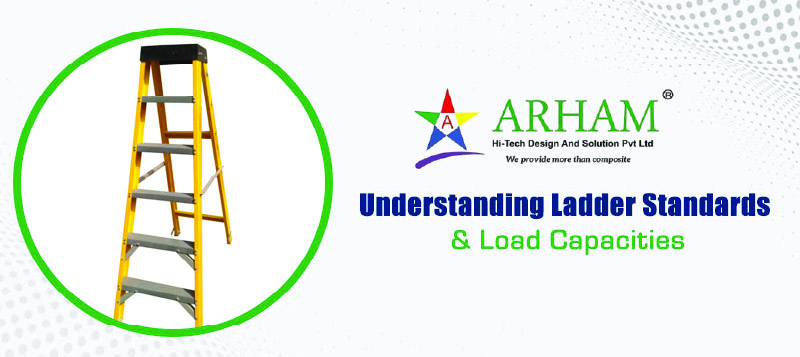
Working at height is never something to mess around with. Even one mistake or a defective ladder can cause a severe accident. That’s why picking a ladder from a trusted manufacturer—one that follows actual safety standards, is so important. In this post, we’ll walk you through what those standards actually mean, how load ratings work, and what kind of ladder suits different jobs.
What Are Ladder Safety Standards?
These standards make sure ladders are built to last and are safe to use. They spell out what materials should be used, how much weight a ladder should handle, and how it should respond under stress. For businesses, this means better safety and fewer risks on the job.
ANSI (American National Standards Institute): Classifies ladders based on their duty ratings.
- Type IAA – Extra heavy-duty (up to 170 kg)
- Type IA – Heavy-duty (up to 136 kg)
- Type I – Industrial use (up to 113 kg)
- Type II – Medium-duty (up to 102 kg)
- Type III – Light-duty, household use (up to 91 kg)
OSHA (Occupational Safety and Health Administration): Makes sure ladders are used safely and properly in U.S. workplaces.
EN131 (European Norm): Handles ladder safety rules throughout Europe, dividing ladders into professional and non-professional categories.
IS (Indian Standards): India’s official guidelines for the safe design, build, and usage of ladders.
At Arham Composite, we follow both Indian and international safety standards when manufacturing our ladders. This means whether you’re using them on a job site in India or abroad, you’re protected by globally recognised benchmarks for safety.
Read On: Why Choose FRP GRP Wall Support Ladders
Why Load Ratings Are Crucial
A ladder’s weight rating explains the total load it’s built to carry safely during use. That includes the user’s body weight, clothing, and any tools or materials being carried. One of the biggest mistakes people make is assuming all ladders are made equal. In reality, using a light-duty ladder for a heavy-duty job is an accident waiting to happen.
To put it simply:
- Light-Duty (Type III / EN131 Non-Professional):
For simple tasks around the house. Load capacity: approx. 90 kg.
- Medium-Duty (Type II):
Suited to tradespeople or light commercial use. Load capacity: around 102 kg.
- Heavy-Duty (Type I / EN131 Professional):
Designed for industrial work. Load capacity: 113–150 kg.
- Extra Heavy-Duty (Type IAA):
Made for intense industrial tasks. Load capacity: 170 kg or more.
Understanding these categories helps you pick the safest ladder for the job, reducing the risk of collapse or tipping.
Different Range of Standards-Compliant Ladders
Engineered for strength, stability, and compliance, our ladders support critical operations across industries such as utilities, telecommunications, maintenance, and manufacturing.
FRP-GRP Ladders (Fibreglass)
- Non-conductive and corrosion-resistant
- Perfect for chemical plants, electrical work, or damp environments
- Options: Wall Support, Extension, Foldable Platform, Trestle, and Telescopic Trolley Ladders
Aluminium Ladders
- Lightweight yet durable
- Best for both domestic and commercial use
- Options: Self-Support Extension, Movable Platform, Aluminium Tower, Portable Top Tank Ladders
Steel Ladders
- Designed for households needing solid, affordable solutions
- Powder-coated for long-term durability
All our ladders can be customised for height, finish, and functional features. Each one is rigorously tested to meet both Indian and global safety requirements.
Why Standards Matter
Most ladder-related injuries don’t happen because the ladder breaks. They happen because the wrong type of ladder was used. For example:
- Using a domestic-grade ladder on a construction site
- Climbing with heavy gear on a ladder that isn’t rated for it
- Choosing cheap, non-certified ladders that lack locking mechanisms
Choosing the right ladder for the task ensures you’re not just getting the job done, but doing it safely. That’s why we take compliance seriously, because when you’re metres off the ground, there’s no room for error.
Final Thoughts
A ladder is only as good as its safety. For that reason, ladder manufacturers put a strong focus on weight ratings, solid construction, and dependable materials.
Workplace safety starts with the right equipment. Providing ladders is only part of the job; Arham Composite also guides them in meeting the right safety requirements. Whether you need help choosing the right type, understanding certifications, or finding a long-lasting solution, we’ve got your back.
Connect with us for personalised ladder recommendations backed by industry expertise.
Frequently Asked Questions
- What are ladder safety standards, and why do they matter?
Ladder safety standards ensure ladders are built and used safely, reducing the risk of falls and injuries.
- Why is it important to check a ladder’s load rating?
The load rating tells you the maximum weight a ladder can safely hold, including tools and equipment.
- Can using the wrong ladder really lead to accidents?
Yes. Most ladder injuries happen when the wrong type or grade of ladder is used for the job.
