
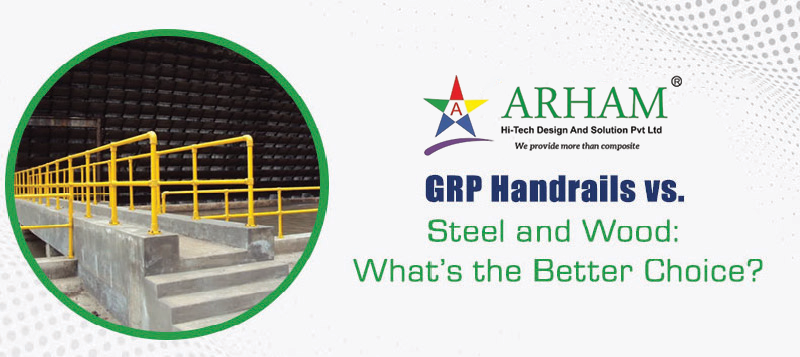
Even simple components like railings carry serious weight when safety and durability matter. FRP-GRP railing is becoming the go-to for companies that want long-term performance without the maintenance hassle.
From factories and marine platforms to water treatment plants and rooftops, this fibre-reinforced solution is quickly replacing traditional steel and timber for good reason.
What is FRP-GRP Railing?
Traditional materials come with trade-offs — steel rusts, wood rots, and both demand maintenance. FRP-GRP stands for Fibre-Reinforced Plastic and Glass-Reinforced Plastic. It’s tougher than it sounds. Made from fibreglass and resin, it handles tough jobs without the usual wear and tear. Unlike steel, it won’t rust. Unlike timber, it won’t crack or splinter. Best of all, it’s practically maintenance-free. That’s why it’s a trusted choice in high-stress environments like chemical plants, water facilities, rooftop platforms, and coastal areas.
Why Traditional Materials Are Falling Behind in Modern Builds
Steel’s been the industry go-to for years, but it’s not without its issues. Yes, it’s strong. However, it rusts, weighs a lot, and constantly needs attention. Routine maintenance, repainting, welding, it all costs time and money that could be spent elsewhere.
Wood? Visually appealing, but not designed for tough conditions. Even pressure-treated timber eventually swells, splinters, or breaks down under exposure. In high-traffic or chemical-heavy areas, it simply doesn’t hold up, and it’s not always code-compliant.
Companies today want solutions that last longer and work harder, and FRP-GRP offers just that.
Don’t Miss: Everything You Must Know About Pole-Mounted Junction Boxes
Why is Everyone Switching to FRP-GRP?
- Built to Last
FRP-GRP railing doesn’t corrode, crack, or warp. Tough conditions? FRP-GRP shrugs them off — whether it’s harsh weather, chemicals, or temperature swings. That’s why it’s such a common sight in outdoor environments or places with heavy-duty operations.
- Lighter and Safer to Work With
You’d expect something strong to be heavy, right? FRP-GRP proves otherwise. It’s far lighter than steel, which makes installation faster and safer. No need for bulky machinery or specialised lifting teams — a real bonus if you’re managing projects in tight spaces or at height.
- Low Maintenance
Once it’s in place, it stays in place. There’s no painting, sealing, or sanding required. If you ever do need to clean it, a simple hose-down will do. That means less downtime and fewer emergency repairs.
- Complies With Industry Standards
Need to stay on top of safety codes? FRP-GRP railings are already there, ticking off fire resistance, strength, and more. There are no extra steps needed.
- Looks Matter Too
It’s not just about function. FRP-GRP systems come in a range of colours and finishes, and because the colour runs through the material, scratches don’t stand out. There is no chipping, no fading. You get a solid, clean finish that works well in public-facing areas or professional setups.
Where is FRP-GRP Railing Being Used?
From safety to durability, FRP-GRP railing systems are catching on across:
- Utilities: Water, wastewater, chemical plants
- Manufacturing: Food production, logistics
- Public infrastructure: Railways, ports, bridges
- High-tech: Data centres, rooftop access zones
And since it adapts easily, it’s just as effective in retrofit projects as in new construction.
Why Businesses Are Choosing FRP-GRP Railing
These days, it’s not just about compliance — it’s about finding solutions that save time and money without cutting corners. It covers both bases — safety compliance and long-term savings!
It’s lightweight, safe to handle, and doesn’t demand the kind of maintenance traditional materials do. Plus, whether you’re updating an existing site or designing something from scratch, FRP-GRP fits right in without major structural changes. If you’re looking at retrofits, you won’t have to shut down large sections of your facility or spend weeks on replacements.
Final Thoughts
If the railing around your site is starting to cost more in fixes than it’s worth or if it’s barely keeping up with safety codes, it might be time to take a step back and rethink. Ask yourself: Is it really doing its job?
Switching to FRP-GRP could save you a lot of stress down the line. It holds up without the constant repainting or repairs. No rust, no rot, no surprise failures.
Thinking about a site upgrade or planning something new? Don’t just default to the usual materials. FRP-GRP railing from Arham Composite gives you a cleaner, tougher, low-hassle option that keeps things simple.
Frequently Asked Questions
- How long do fiberglass handrail systems last in outdoor environments?
Lab-based UV exposure tests and over 20 years of real-world field data show that FRP-GRP railings retain their structural integrity with minimal strength loss. With basic maintenance, like occasional washdowns, you can expect them to last 25 years or more, even in harsh outdoor conditions.
- Can FRP-GRP rails be customised to match our company’s colours?
Absolutely. During the pultrusion process, pigment is added directly into the material. This means you can achieve precise colour matching, including safety yellow or your brand-specific shades, without the need for post-installation painting.
